*Disclaimer: Study in Asia is a consulting service.
Study in Asia is your guide to the world of international education. We have compiled a broad catalog of universities around the world, including China, Japan, Korea, and other countries.
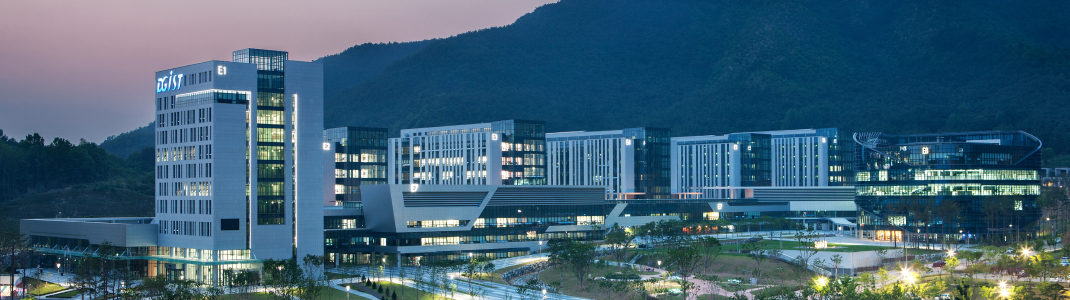
Daegu Gyeongbuk Institute of Science and Technology (DGIST) is an elite public research university in South Korea, founded in 2004 and funded by the Ministry of Science. DGIST is one of the four leading public science and technology universities in the country, alongside KAIST, GIST, and UNIST. It is located in Daegu — the fourth largest city in the country and a major technology hub in the southeastern part of the Korean Peninsula.
In the "Citations per Faculty" indicator of the QS World University Rankings, DGIST ranks 1st in South Korea for the second consecutive year and is among only 11 universities in the world to have received a perfect score in this category — alongside Harvard, MIT, and Caltech.
A distinctive feature of DGIST's undergraduate program is the absence of departmental divisions: students are admitted to a single College of Transdisciplinary Studies and independently build their academic path by choosing a single major, a double major, or a combination of a major and a minor. All undergraduate and graduate students receive full tuition waivers and a monthly stipend.
Daegu Gyeongbuk Institute of Science and Technology is a multidisciplinary educational institution. Choose the direction and study program that are perfect for you.
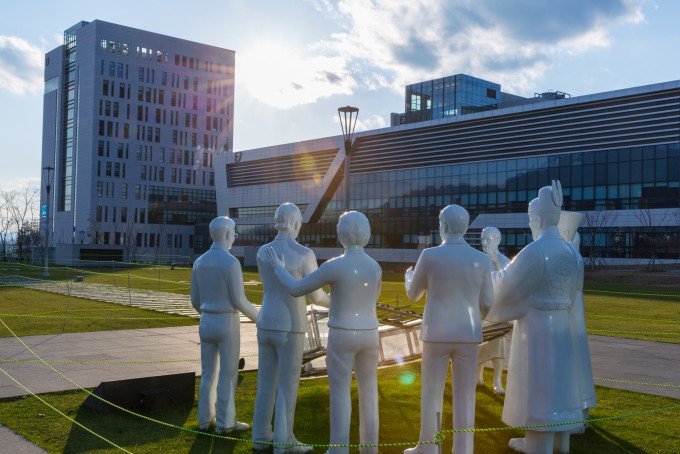
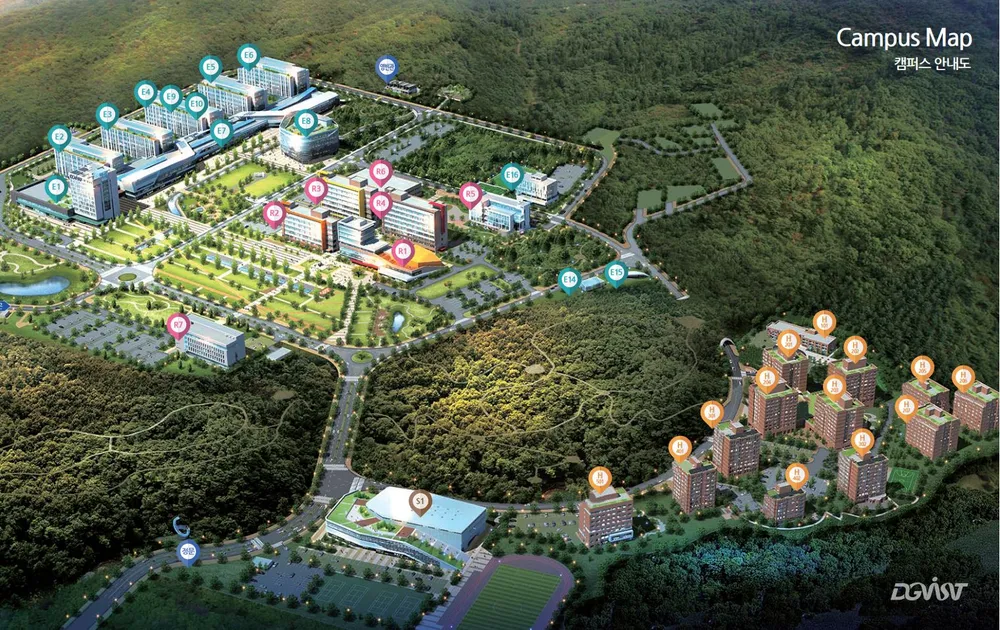
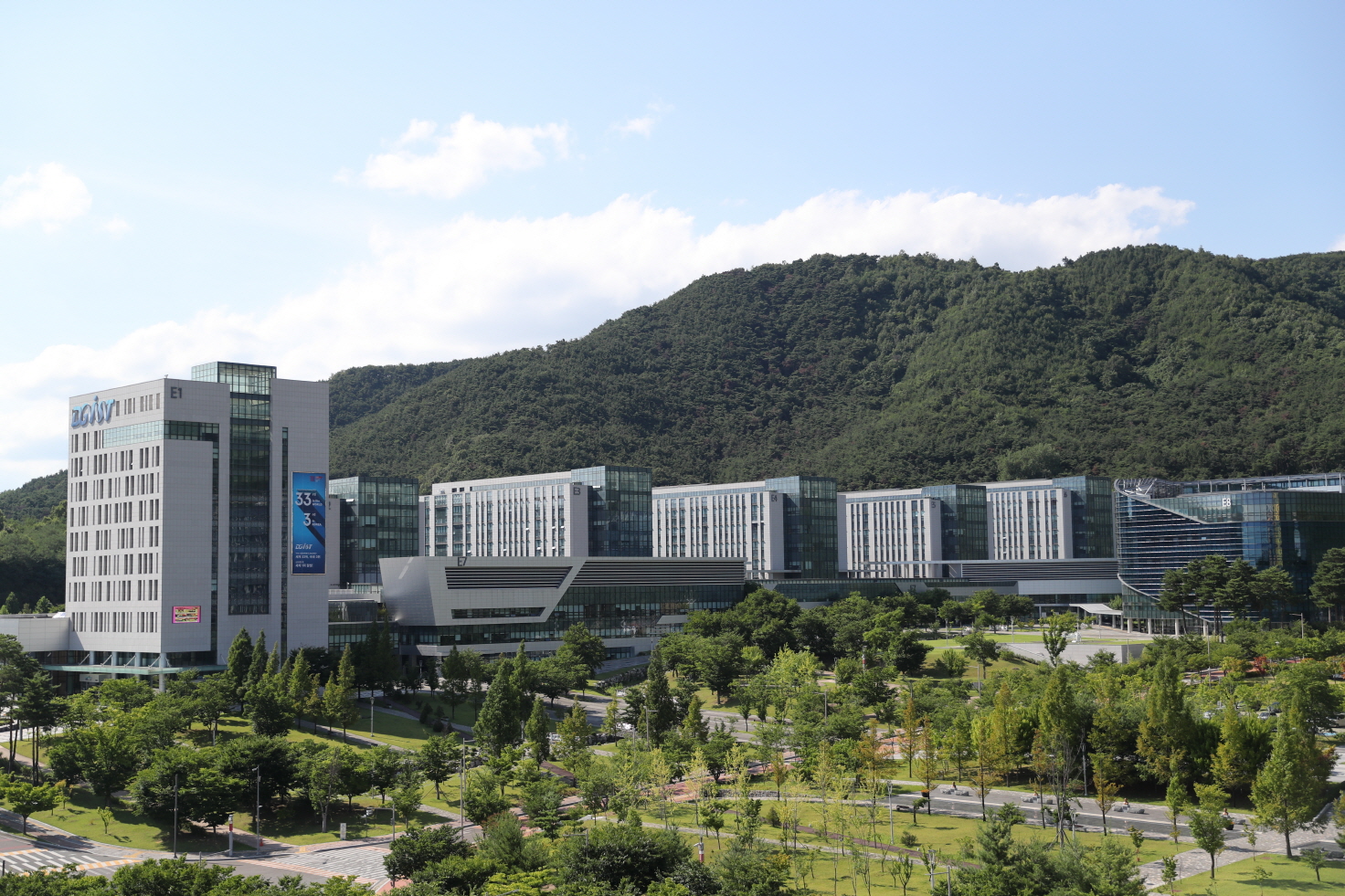
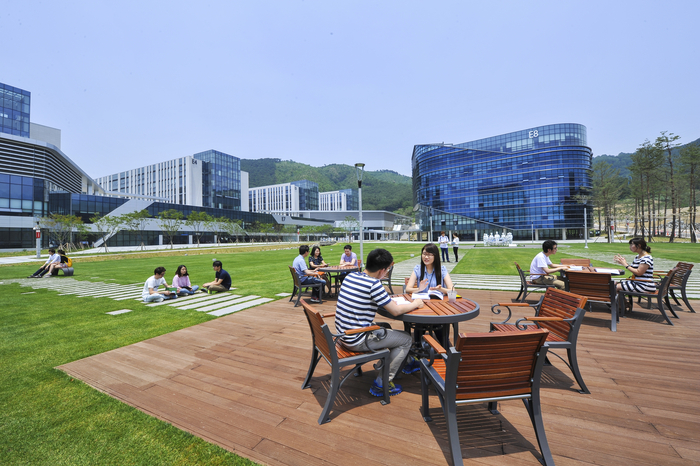
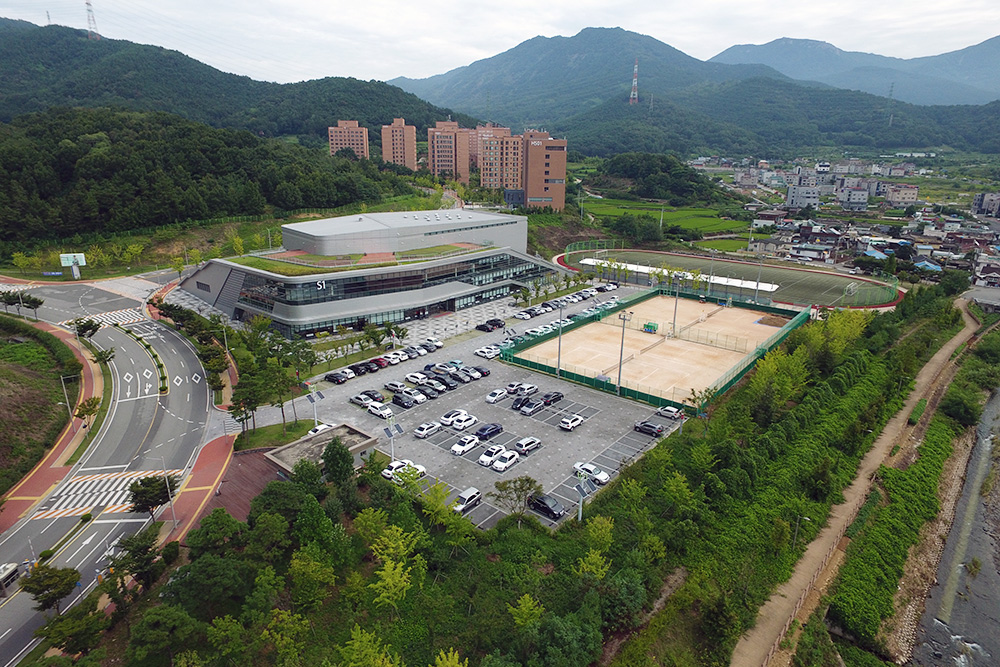
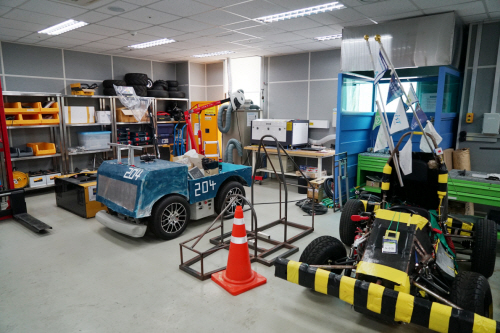
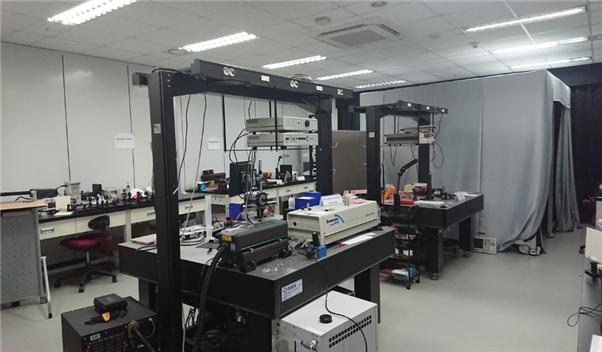
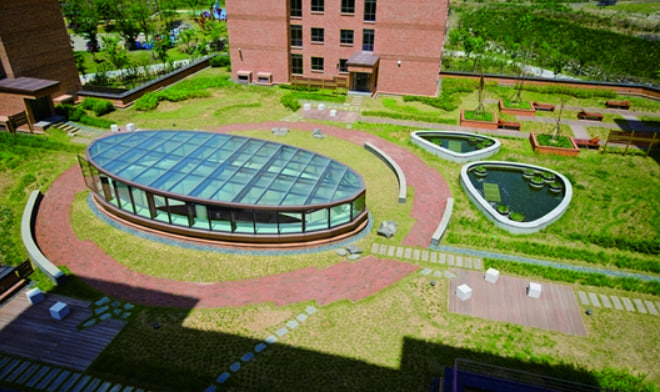
The DGIST campus is located in Hyeonpung-eup, Dalseong-gun, on the southwestern outskirts of Daegu — within Daegu Technopolis, a modern science and technology park bringing together research institutes, high-tech companies, and university infrastructure. The campus covers 670,000 m², developed according to a unified master plan and equipped with state-of-the-art research facilities.
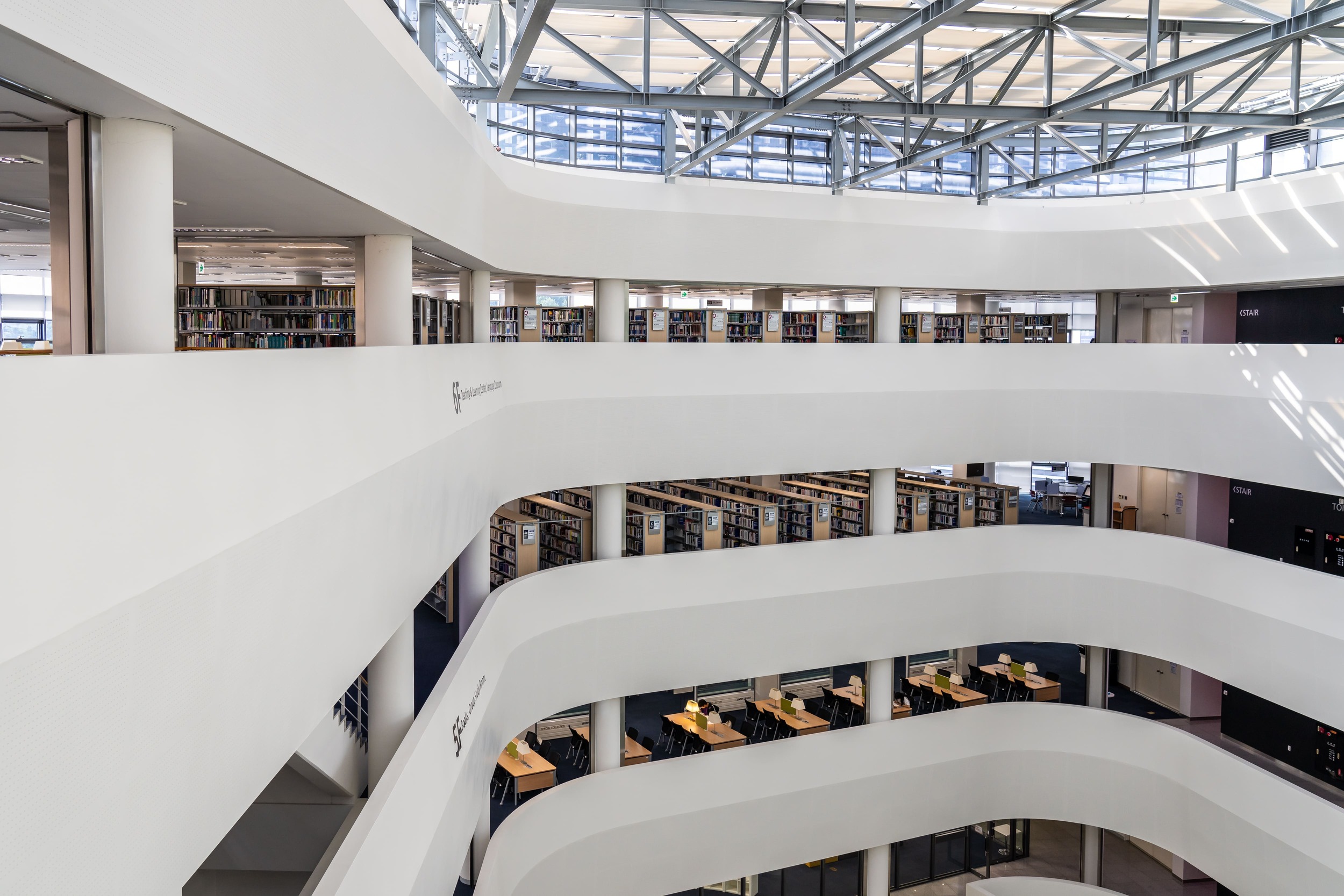
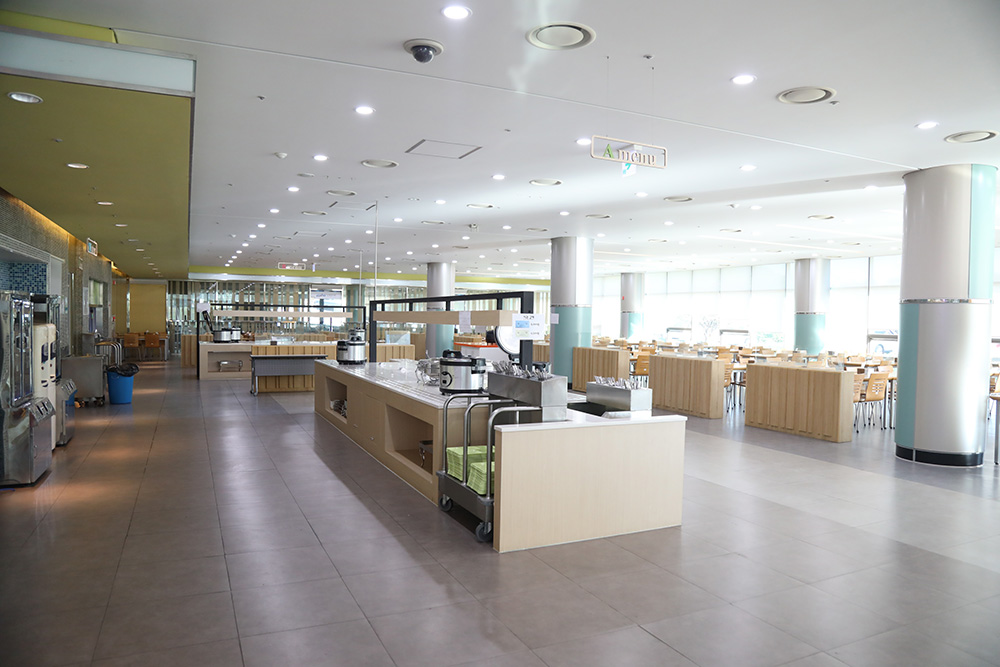
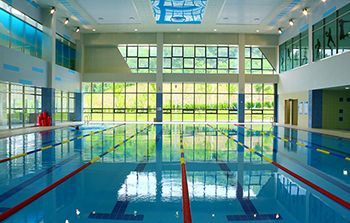
The campus houses a library, sports complex, student dormitories, cafeterias, and other infrastructure dedicated to research and academic use.
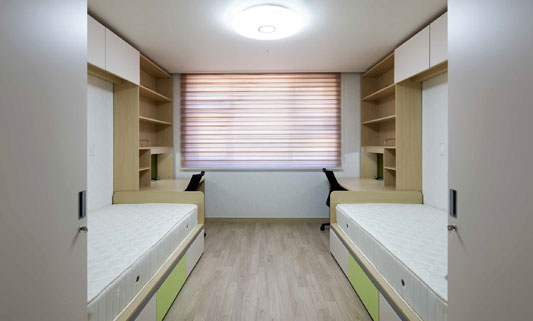
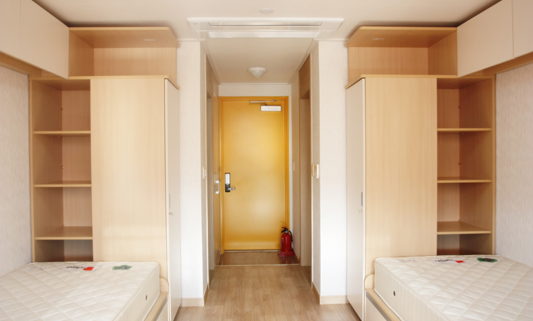
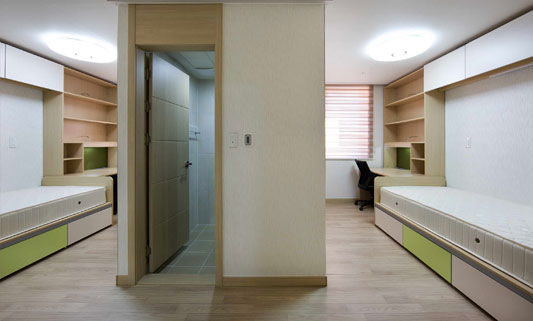
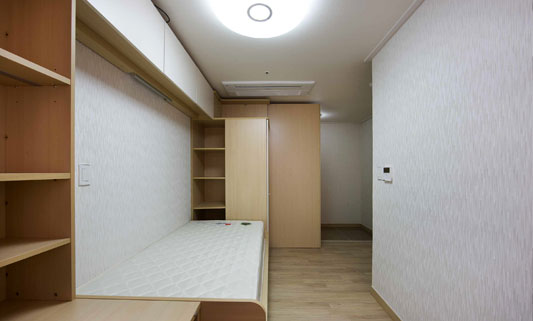
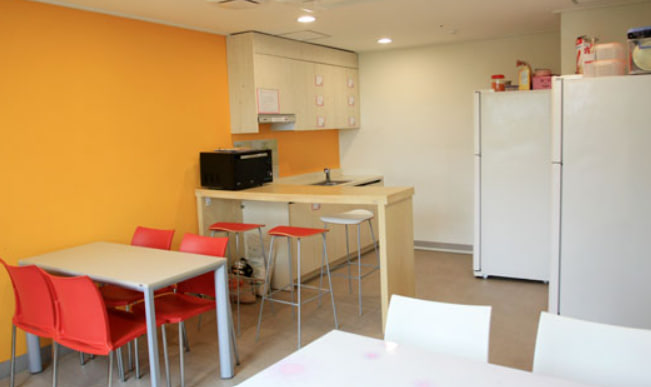
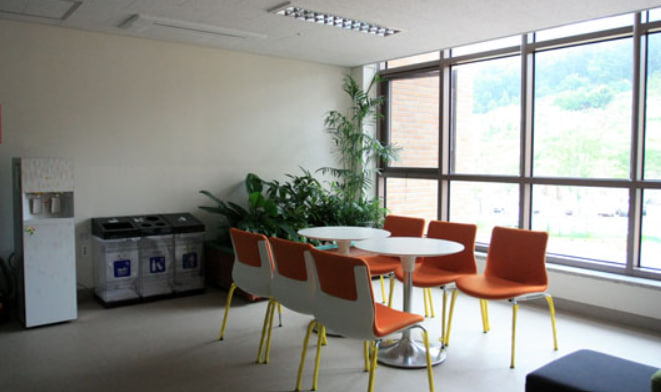
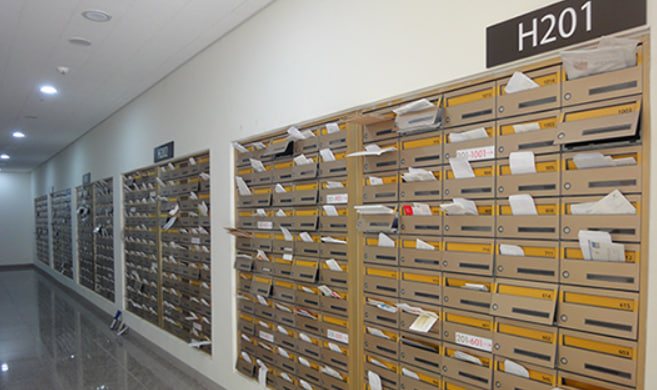
DGIST's student residential complex is called Biseul Village — named after Mount Biseul, at the foot of which the campus is situated. The complex consists of four buildings (H201–204) and accommodates approximately 1,000 students. In addition to student dormitories, Biseul Village includes apartments for married couples and housing for faculty members. Biseul Village is fully self-sufficient, providing everything needed for comfortable daily life without leaving campus.
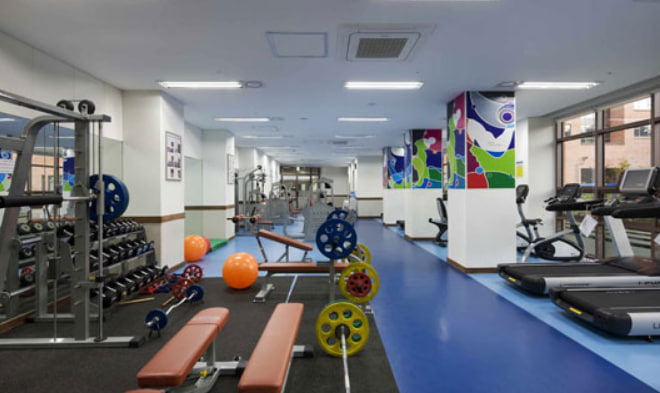
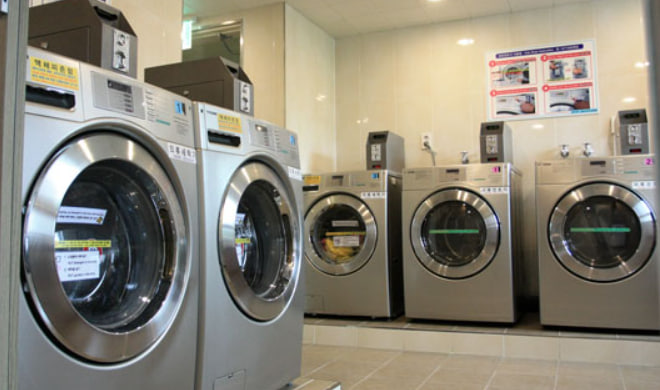
The buildings offer laundry rooms, kitchens, lounges on every floor for rest and socializing, an indoor gym, as well as shops, cafes, and cafeterias right inside the buildings. Students have no need to travel elsewhere for food or everyday essentials — all amenities are within walking distance. Accommodation at Biseul Village is paid at the beginning of each semester. The cost ranges from 700,000 to 1,200,000 KRW depending on the room type, which works out to approximately 175,000–300,000 KRW per month.
Introductory Video
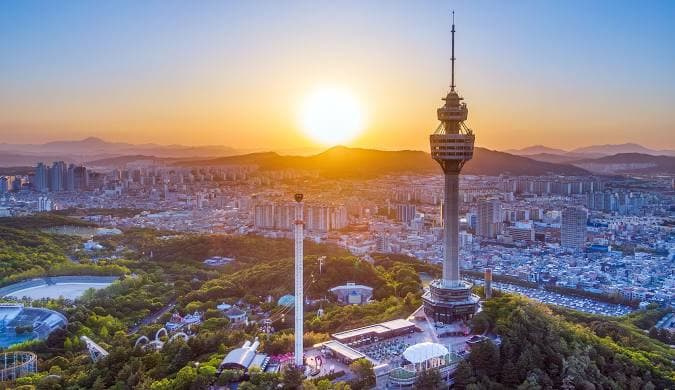
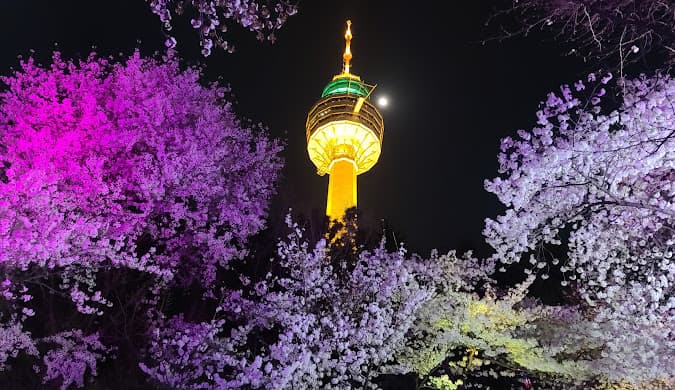
Тэгу — четвёртый по величине город Южной Кореи, расположенный среди горных хребтов на юго-востоке полуострова. Крупный центр медицины и биотехнологий, здесь сосредоточены исследовательские институты мирового уровня — DGIST, Университет Кёнпук и один из ведущих медицинских кластеров страны. Для студентов — спокойная, безопасная и доступная по стоимости жизни альтернатива Сеулу, с удобным транспортом (метро, скоростные поезда KTX до Пусана и Сеула), яркой культурой уличной еды и оживлённым молодёжным районом Тонсончно. Город хранит глубокие исторические пласты: квартал традиционной медицины Янннёнси, буддийские храмы в окружающих горах и редкую коллекцию национальных сокровищ в Музее Кансон. Лето долгое и жаркое, зима сухая и мягкая по корейским меркам — идеально для тех, кто ищет размеренную городскую жизнь, не жертвуя академическими и карьерными возможностями в медицине, технологиях и точных науках.