*Disclaimer: Study in Asia is a consulting service.

Study in Asia is your guide to the world of international education. We have compiled a broad catalog of universities around the world, including China, Japan, Korea, and other countries.
Suzhou University of Science and Technology (SUST)
History:
Founded in 2001 through the merger of two institutions (Suzhou Institute of Urban Construction and Environmental Protection and Suzhou Railway Teachers College). The history of predecessor institutions dates back to the 1950s.
Location:
Western part of Suzhou (National Hi-Tech District). Three campuses (Shihu, Jiangfeng), total area — 153 hectares.
Structure:
15 schools, 59 undergraduate programs, 96 master's and doctoral programs in 10 disciplines (engineering, natural sciences, humanities, business, social sciences, etc.).
Students and Staff:
Over 25,000 undergraduate students
Over 2,000 graduate students
About 1,800 staff members, including 700 professors and 400 associate professors
Status:
One of the key universities in Jiangsu Province. Jointly managed by central and local authorities.
Alumni:
Over 90,000 graduates, including two academicians of the Chinese Academy of Sciences and the Chinese Academy of Engineering.
International Cooperation:
Partnerships with foreign universities. Participation in China's aid education programs for developing countries (training, seminars, degree programs).
Suzhou University of Science and Technology is a multidisciplinary educational institution. Choose the direction and study program that are perfect for you.
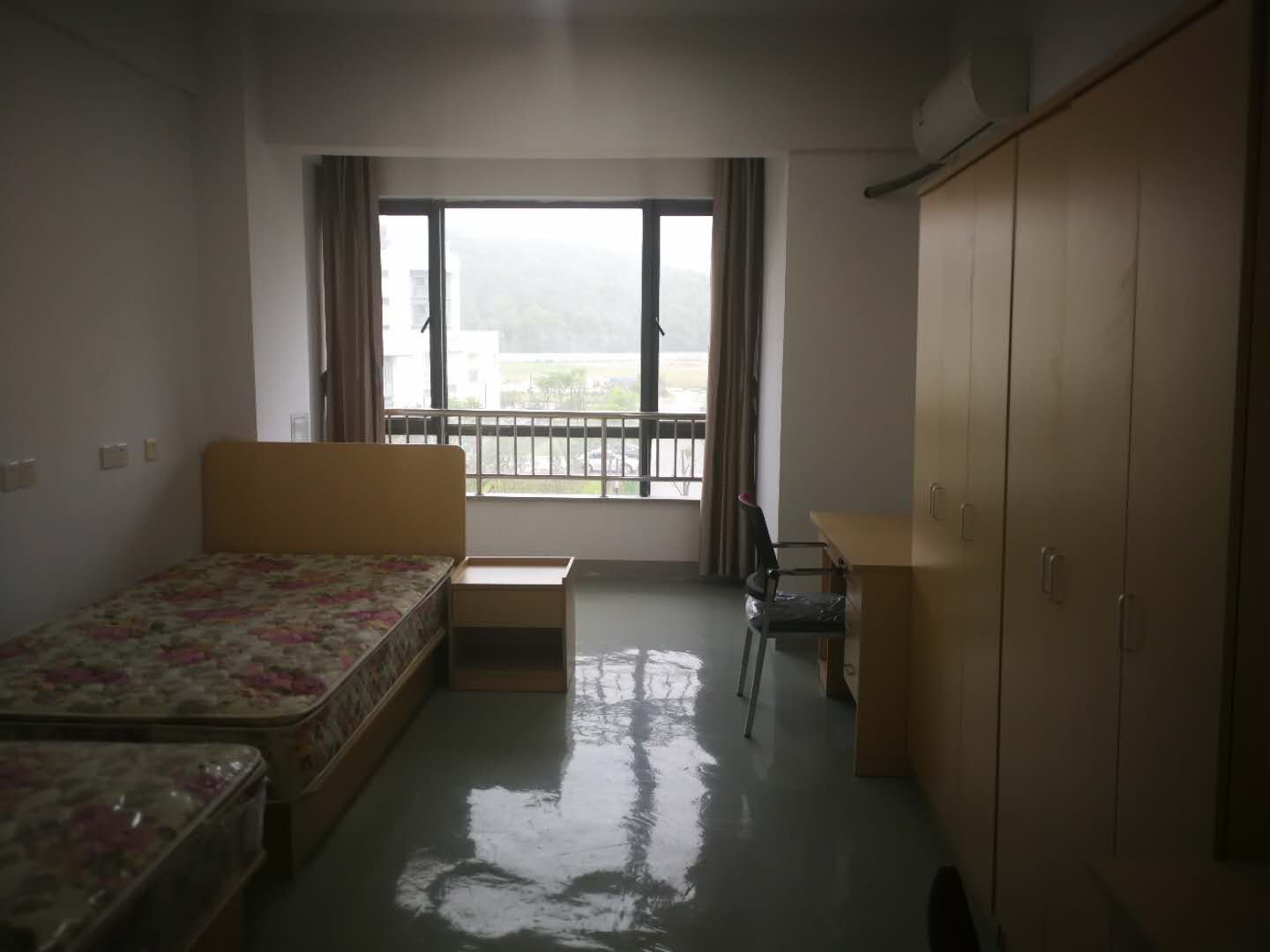
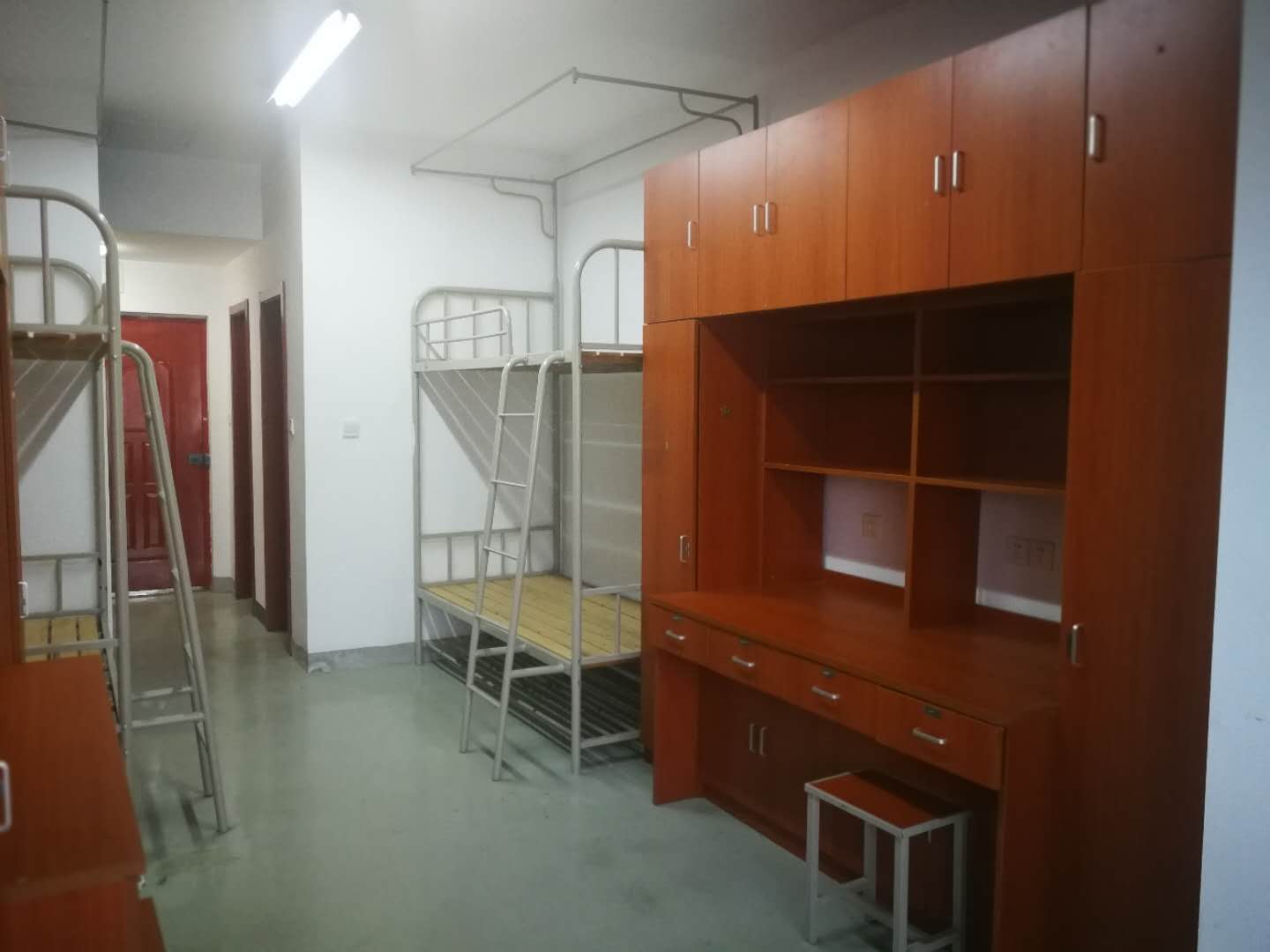
Accommodation fee: 9,000 RMB per year.
Сучжоу — город субпровинциального значения в восточной части Китая, входит в состав провинции Цзянсу. Расположен в нижнем течении реки Янцзы, примерно в 100 км к западу от Шанхая. Является одним из древнейших городов Китая — его история насчитывает более 2500 лет. Входит в число ключевых экономических, культурных и туристических центров страны.
По состоянию на 2026 год численность постоянного населения города Сучжоу составляет приблизительно 10,38 млн человек. С учётом прилегающих районов и миграционных потоков общая численность населения городской агломерации достигает 12–13 млн человек. Плотность населения неравномерна: исторический центр более разрежен, в то время как промышленные и спальные районы отличаются высокой плотностью застройки и заселённости.